





Introduction :
Training healthcare professionals to use medical devices effectively is just as important as developing the devices themselves. Whether introducing a surgical system, diagnostic equipment, or imaging technology, manufacturers must ensure that clinicians, biomedical engineers, sales teams, and hospital staff can operate the device accurately and confidently. Traditional training methods often rely on classroom sessions, product manuals, or limited access to physical equipment, making it difficult to deliver consistent, hands-on learning across locations.
Virtual Reality (VR)addresses these challenges by creating immersive, interactive training environments where users can practice real-world tasks without using live equipment. Medical device companies use VR for device usage training, surgical procedure simulations, product demonstrations, HCP onboarding, and sales representative training. By allowing learners to repeat procedures, explore clinical workflows, and build confidence
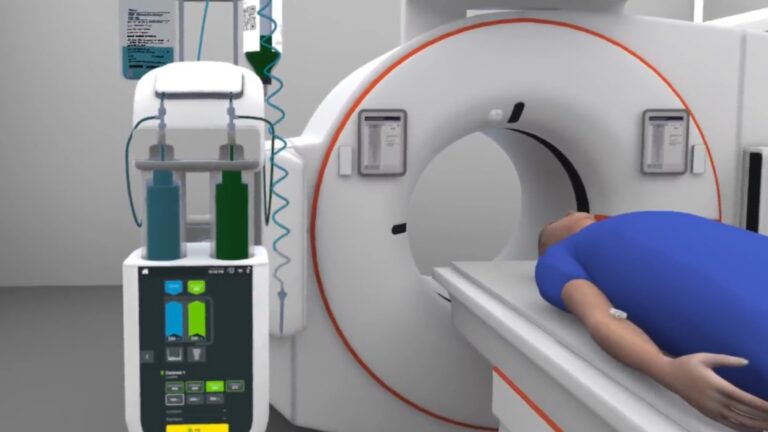
Why Medical Device Training Needs a New Approach
Training of medical devices are becoming more sophisticated. Whether introducing robotic surgical systems, diagnostic equipment, imaging technologies, or implantable devices, organizations must educate different audiences with different learning requirements.
- A surgeon wants to understand procedural workflows.
- A biomedical engineer focuses on installation and maintenance.
- A sales representative needs confidence during customer discussions.
- Hospital staff require structured onboarding before using the equipment.
Medical device training involves multiple teams, often across different locations, making it difficult to deliver consistent, hands-on learning through traditional methods. A VR platform simplifies training by creating immersive simulations that users can access repeatedly without relying on physical equipment. Medical device companies use VR for device usage training, surgical procedure simulations, product demonstrations, HCP onboarding, and sales enablement. This helps standardize training, improve learner confidence, reduce dependency on instructor-led sessions, and support faster product adoption across healthcare organizations. device reaches real clinical settings.
Device Usage Training Simulation with VR
VR-based device usage simulations recreate these activities in an interactive environment where learners can practice without occupying physical equipment or interrupting clinical operations.
Typical simulations include:
- Device setup and configuration
- System calibration
- Interface navigation
- Safety verification
- Troubleshooting common errors
Unlike instructor led demonstrations, VR simulations can be repeated as often as needed, allowing users to learn at their own pace and build confidence before handling the actual device. Training analytics help organizations identify knowledge gaps, measure learner readiness, and refine onboarding programs, while standardized simulations ensure consistent product knowledge across hospitals, distributors, and regional training teams.
Surgical Procedure Simulation with VR
When introducing a new surgical device, clinicians need more than product knowledge they need to understand how the device performs within real surgical workflows. Surgical Procedure Simulation with VR recreates realistic operating room environments where healthcare professionals can practice procedures before entering the operating room.
Instead of passively watching recorded surgeries, users interact with instruments, patient anatomy, procedural steps, and clinical scenarios in a risk-free environment. Repeated practice improves confidence, shortens the learning curve, and supports product launches, physician training, and continuing clinical education by demonstrating how the device is used in real-world procedures.
Product Demo with VR
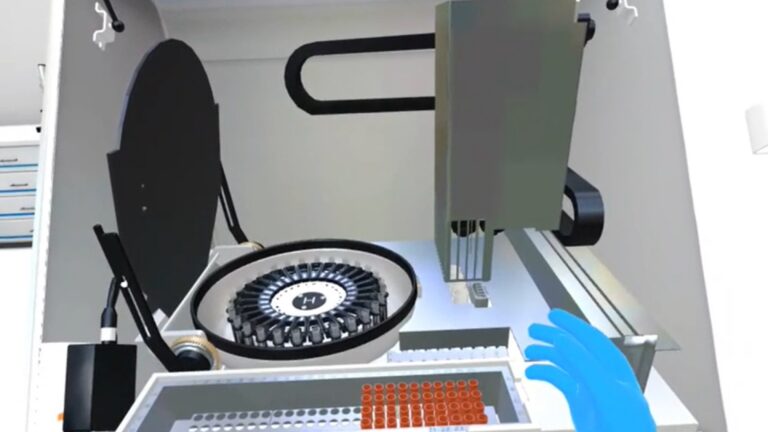
Demonstrating a complex medical device through presentations or brochures often leaves buyers with unanswered questions. Product Demo with VR allows clinicians, procurement teams, and decision-makers to explore a device in an interactive virtual environment, view internal components, understand workflows, compare configurations, and experience product functionality without requiring physical equipment.
Ethosh has developed immersive VR and AR product demonstrations that help medical technology companies showcase complex product portfolios, support field sales teams, and deliver engaging customer experiences. By replacing physical demos with interactive virtual experiences, organizations can reduce logistics, improve product understanding, and enable informed purchasing decisions.
Patient Education with VR
Patients often receive large amounts of medical information within a limited consultation.
Understanding how a device works, why it is recommended, and what to expect during treatment can be challenging.
Patient Education VR provides guided visual experiences that explain:
- The purpose of the device
- How treatment will be performed
- What patients should expect during recovery
- Post-procedure care
- Lifestyle considerations
Instead of relying solely on verbal explanations, clinicians can use immersive education to support informed decision-making and improve patient confidence throughout the treatment journey.
Virtual Facility Tours with VR
Physical facility visits are often limited by travel, production schedules, and confidentiality requirements. Virtual Facility Tours with VR enable healthcare providers, distributors, investors, and strategic partners to explore manufacturing lines, cleanrooms, testing laboratories, and quality assurance processes through an immersive digital experience. Interactive hotspots provide additional insights into production workflows and quality standards, helping stakeholders understand manufacturing capabilities remotely. Ethosh has developed immersive VR facility tours that allow medical technology companies to showcase their manufacturing infrastructure, strengthen stakeholder confidence, and provide a scalable alternative to in-person site visits.
Trade Show VR Booths with VR
Medical conferences provide valuable opportunities to introduce new technologies, but exhibition visitors often have only a few minutes at each booth.
Instead of relying on brochures or looping promotional videos, VR gives visitors an opportunity to interact with the product.
Participants can:
- Explore the medical device from every angle
- Understand clinical applications
- Experience procedural workflows
- Compare different product configurations
- Learn independently before speaking with company representatives
This changes the nature of conversations.
Instead of explaining basic product functionality, sales teams can discuss implementation, clinical outcomes, and real-world applications.
VR is particularly valuable for large imaging systems, robotic platforms, and complex medical technologies that cannot be transported to every conference.
By replacing passive presentations with interactive exploration, companies create stronger engagement while helping visitors remember the product long after the exhibition ends.
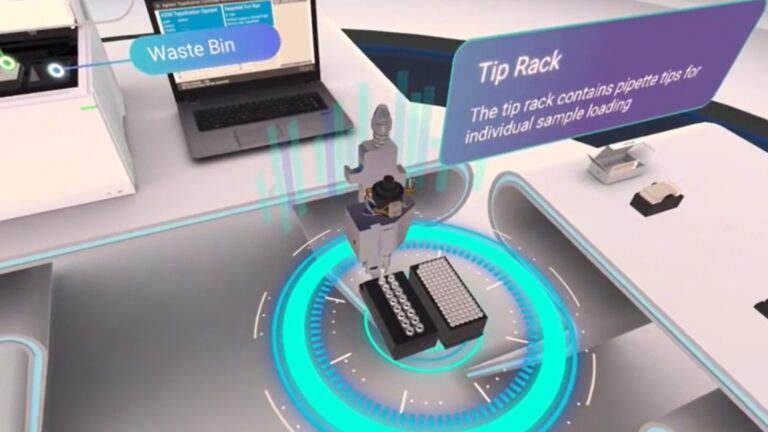
Operational Training with VR
From manufacturing facilities to hospitals, consistent training is essential for safe and effective medical device adoption. Operational Training with VR enables employees and healthcare professionals to practice assembly procedures, equipment operation, device setup, clinical workflows, troubleshooting, and routine maintenance in realistic virtual environments before working with actual equipment. By providing standardized, repeatable training, organizations can reduce onboarding time, minimize operational disruptions, improve learner confidence, and ensure consistent product knowledge across manufacturing teams and healthcare facilities.
Investor & Stakeholder Pitch with VR
Medical technologies often involve sophisticated engineering that is difficult to communicate through conventional presentations.
VR allows investors, distributors, healthcare executives, and strategic partners to explore:
- Product architecture
- Clinical applications
- Manufacturing capabilities
- Product differentiation
- Market opportunities
- Future innovation roadmap
Interactive demonstrations simplify technical discussions while helping stakeholders understand the commercial potential of the technology.
Transforming Medical Device Training with Immersive VR Experiences
Medical device companies face growing challenges in delivering consistent training, simplifying complex technologies, and supporting product adoption across diverse audiences. VR addresses these challenges by transforming traditional learning into immersive, interactive experiences that improve understanding, build confidence, and standardize training throughout the product lifecycle. From clinical education and patient awareness to sales enablement, hospital onboarding, regulatory guidance, and product demonstrations, VR helps organizations communicate complex information in a way that is engaging, measurable, and scalable.
At Ethosh, we help medical device companies create immersive VR experiences that support training, patient education, scientific communication, product demonstrations, and stakeholder engagement throughout the product lifecycle. By combining healthcare expertise with interactive technologies, we develop experiences that simplify complex concepts, strengthen product understanding, and accelerate adoption across healthcare ecosystems.
Frequently Asked Questions
What is a VR platform for medical device training?
A VR platform provides immersive simulations that help healthcare professionals, manufacturing teams, and commercial teams learn how to use, demonstrate, and support medical devices through interactive experiences.
How does VR improve medical device adoption?
VR improves adoption by allowing clinicians and hospital staff to practice using a device before clinical implementation, reducing uncertainty and increasing user confidence.
Can VR support both internal and external training?
Yes. A single VR platform can support manufacturing, quality assurance, sales enablement, clinical education, hospital onboarding, patient education, and stakeholder engagement.
What types of medical devices benefit from VR training?
VR training can support surgical devices, diagnostic equipment, imaging systems, implantable technologies, robotic platforms, rehabilitation devices, and other complex medical technologies requiring structured education.
Why should medical device companies invest in VR training?
VR provides repeatable, standardized learning experiences that improve product understanding, reduce training dependency on physical equipment, strengthen clinical confidence, and help organizations scale education across multiple regions and user groups.
Connect with the Strategy Team:
Email: marketing@ethosh.com
Website: www.ethosh.com
Call us at: +1 (929) 265 0133
